
Ka Mau te Wehi! Unit 7- What are you wearing to the dance?
The purpose of this unit of work is to learn the words for colours and some articles of clothing, and hear a traditional Màori legend.

About this resource
This unit focuses on:
- Suggested curriculum link: 2.1, 2.3
- Learning intentions: Learn names of colours, names of articles of clothing, and how to express likes and dislikes.
- New words: Kōwhai, kākāriki, pango, whero, kahurangi, mā, pākākā, māwhero, karaka, tawa, kanikani, kākahu, tarau, hāte, hū, panekoti, pōtae, koti, tōkena, hingareti, tangohia tō kāri
Ka Mau te Wehi! Unit 7: What are you wearing to the dance?
See Materials that come with this resource to download Unit 7 What are you wearing to the dance (.pdf)
Learning intentions
In this unit ākonga will:
- learn the names of colours in Māori
- learn the names for some articles of clothing in Māori
- express likes and dislikes in Māori, linked to colours and articles of clothing
- learn the story of Uenuku and Hine-Pūkohu-rangi.
Success criteria
Before commencing the unit, the kaiako will discuss the learning intentions with ākonga and together agree on appropriate success criteria.
Resources
See Materials that come with this resource to download:
- Unit 7 transcripts (.pdf)
- Unit 7 Teacher Sheet A (.pdf)
- Lyrics and English translation for Mā is White (.pdf)
Activity 1
Learning intention
Ākonga will learn the names of the colours in Māori.
In preparation for learning the names of colours in Māori, ask ākonga to use classroom charts, books, and the Internet to research where the names for the colours may have come from. By researching the colour names, students should be able to make links with flowers, birds, and so on.
For instance, kōwhai comes from the yellow colour of the flower from the kōwhai tree. The word kākāriki for green is linked to the small green parrot or parakeet. This should help lessen the learning burden for students as they are introduced to so many colours within this unit.
Ask ākonga to show their findings in a poster.
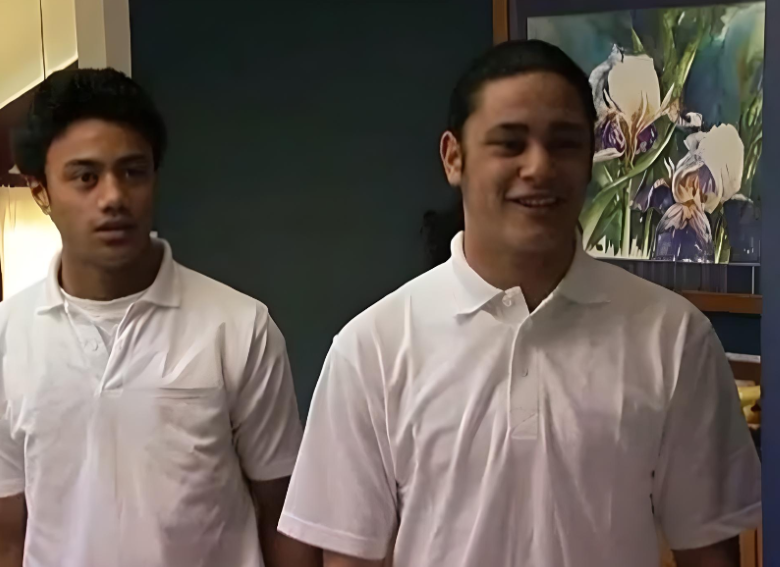
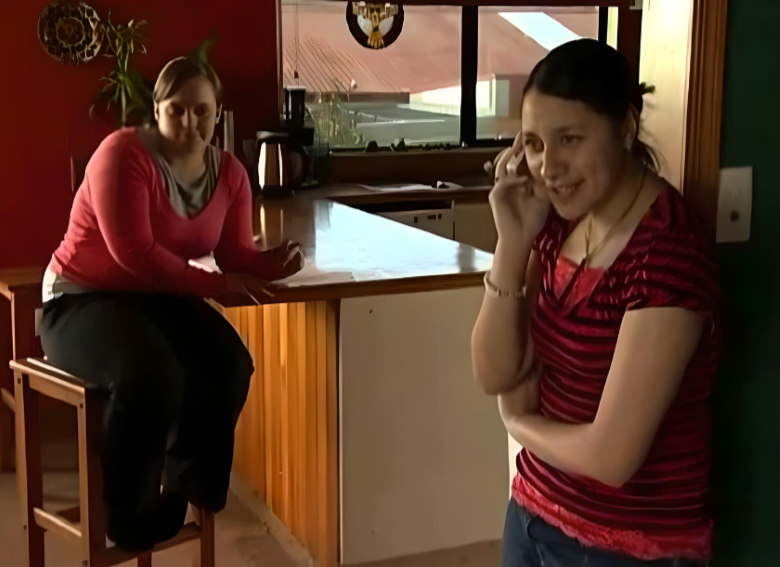
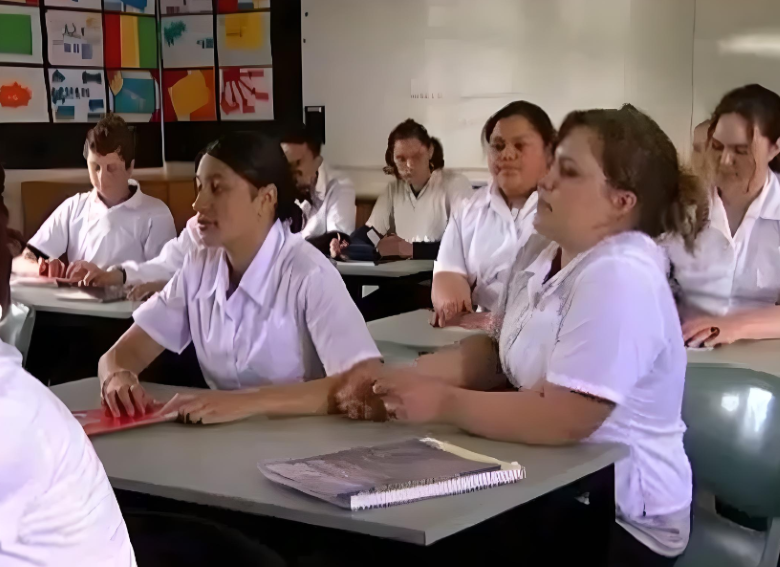
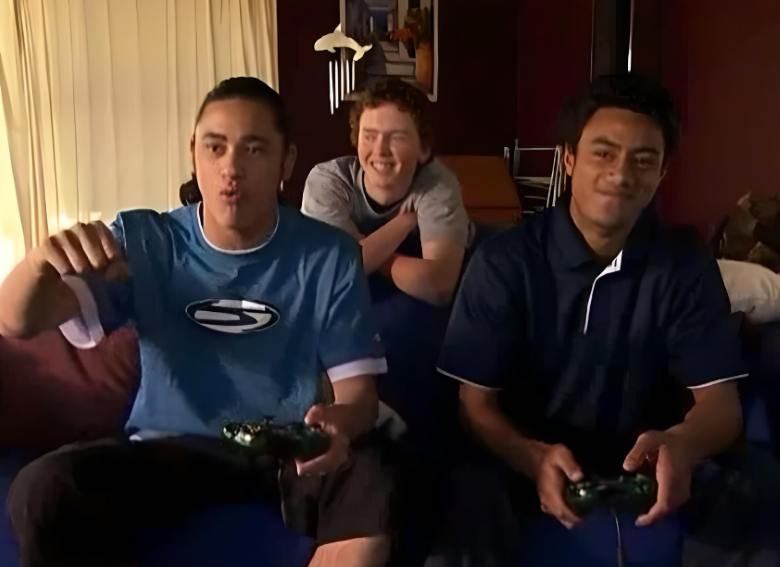
Watch: Unit 7 Scene 1 – Jo apologises to Hana
Ākonga leave the classroom to go to the library.
Jo apologies to Hana
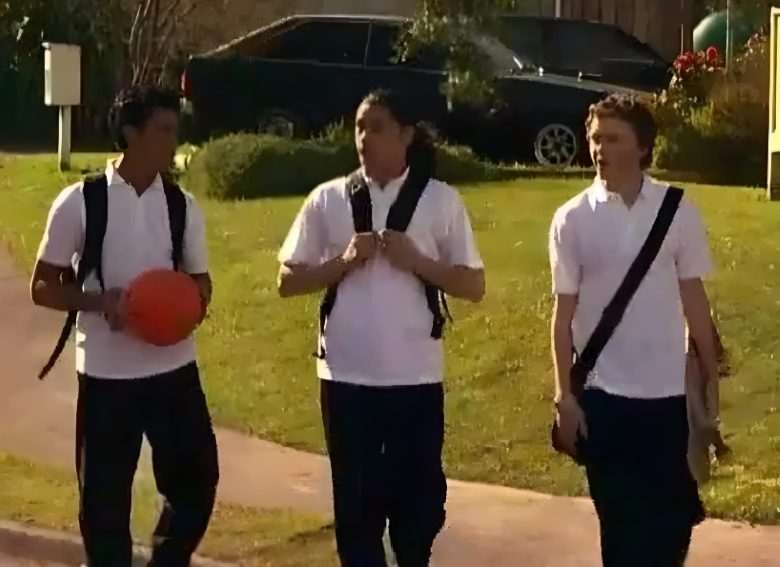
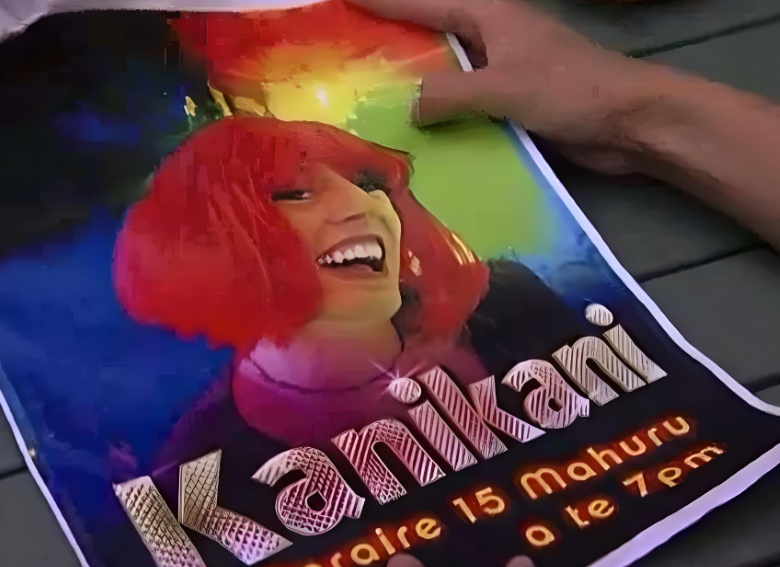
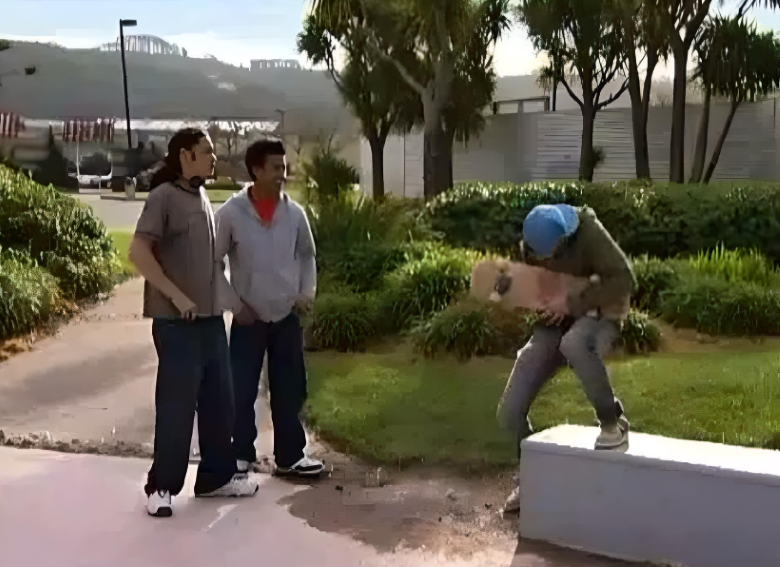
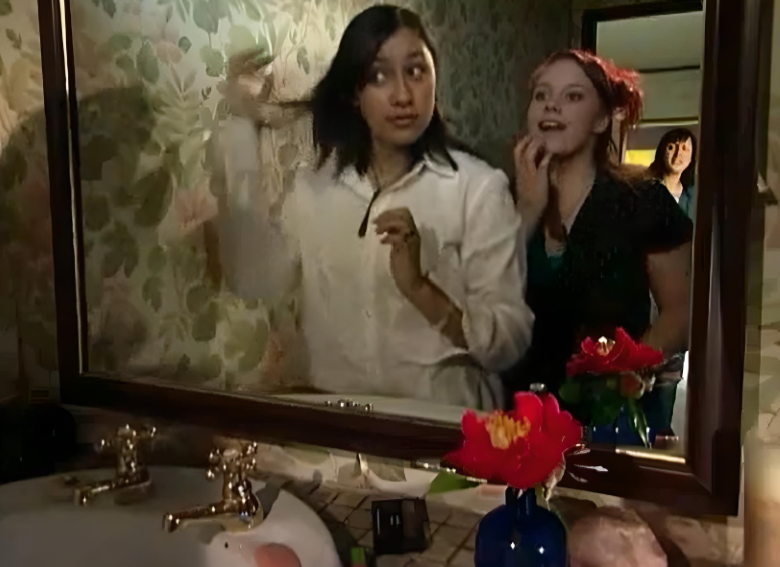
Watch: Unit 7 Scene 2 – Flicking through magazines
Hana and Jo are looking through magazines.
Flicking through magazines
Ask ākonga for the colour names mentioned in the video (pango – black and whero – red).
Introduce each colour to the students and ask them to draw each colour matched with the name in Māori in their Wehi books.
- whero – red
- kowhai – yellow
- Kahurangi – blue
- Kakariki – green
- pango – black
- mā – white
- pākākā – brown
- māwhero – pink
- karaka – orange
- tawa – purple
Dictated drawing
Place ākonga in groups of five or six and give each group a large piece of paper and a set of crayons, coloured pencils or felt-tip pens. Tell ākonga to use their coloured pencils or felt tips to draw what you describe.
Start off with simple shapes and colours: For example, “Draw a circle in kahurangi. On top of that draw a triangle in kākāriki.”
When you have finished, ask them to swap papers and check another group’s work.
Call out sentences in Māori and ask ākonga to draw simple pictures of what you describe: for example, “he pene whero – a red pen.”
Watch: Waiata video – Mā is White
Show the words to the class – for a copy if of the lyrics, go to Resources (above) “Lyrics for ‘Mā is White’”
Mā is White
Activity 2
Learning intention
Ākonga will learn names of articles of clothing in Māori.
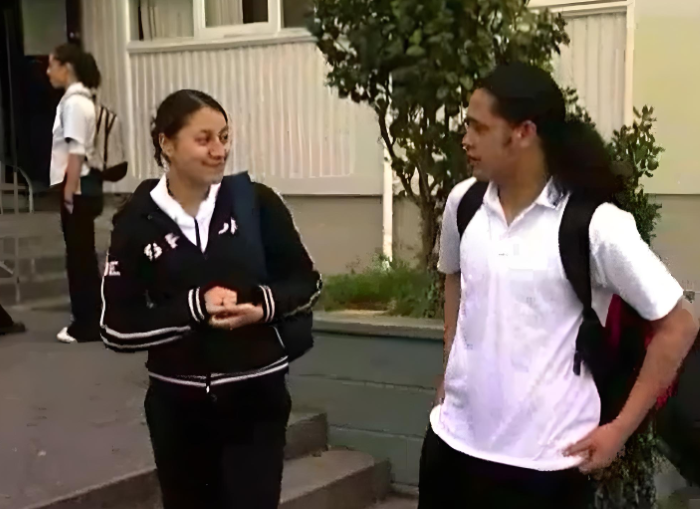
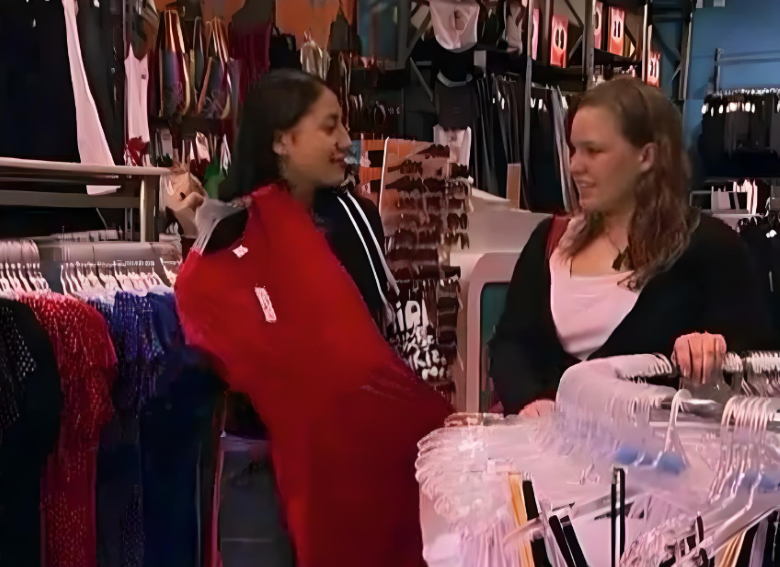
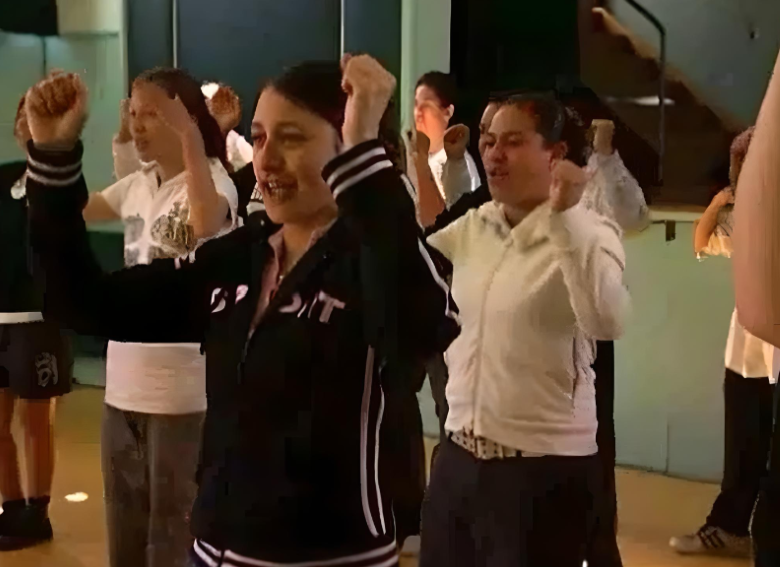
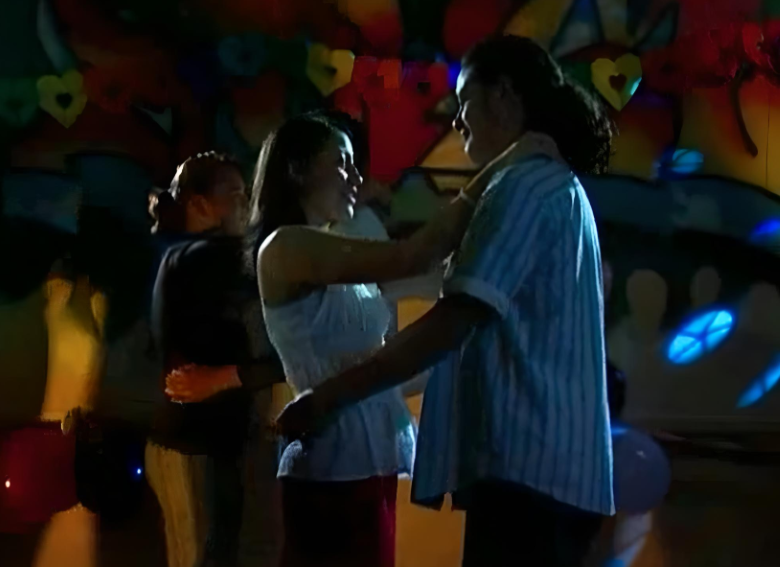
Watch: Unit 7 Scene 3 – What are you wearing to the dance?
The girls and boys talk about what they are going to wear to the dance.
Unit 7 Scene 3 – What are you wearing to the dance?
Have ākonga work in pairs to create a fashion poster using colours and clothing.
Each pair should choose four different clothing and colour combinations. For example, hāte kākāriki – green shirt, with tarau kahurangi – blue trousers; or panekoti whero – red skirt with hū pango – black shoes; or pōtae mā – white hat with hāte kōwhai – yellow shirt.
- tarau – trousers
- hate – shirt
- hū – shoe(s)
- panekoti – skirt
- pōtae – cap, hat
- koti – jacket, coat
- tōkena – socks
- hingareti – singlet
When each pair has completed their poster, then they should swap with another pair. Each pair makes up a commentary about the posters and then presents the commentary to the pair who created the poster.
Examples:
- He pai te hāte kākāriki ki au. – I like the green shirt.
- He pai ngā hū whero ki au. – I like the red shoes.
- He pai ēnei kākahu ki au. – I like these clothes.
When ākonga are familiar with the names of many pieces of clothing, have them draw in their Wehi books two characters dressed in a variety of clothes (shorts, trousers, shirt, skirt, shoes, hat, and so on) and label the clothing.
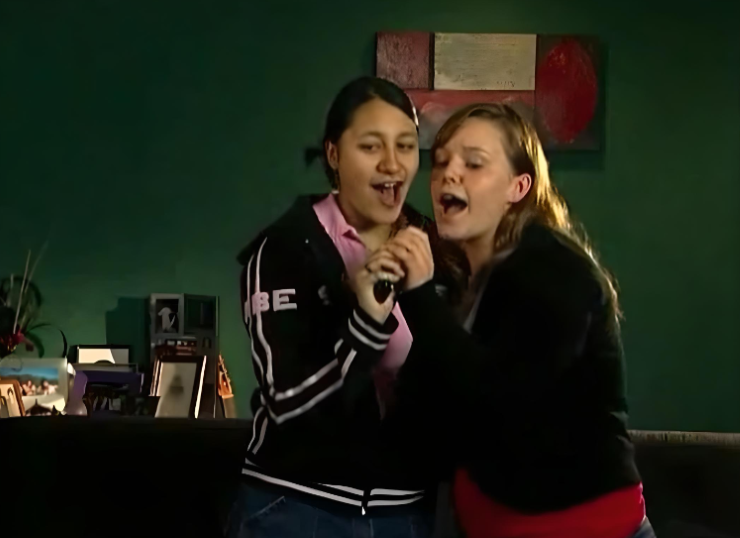
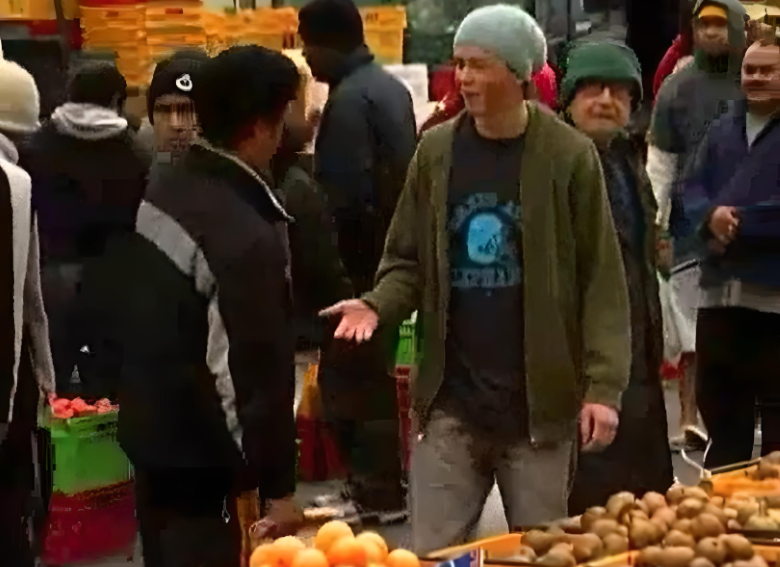
Watch: Unit 7 Scene 4 – What’s wrong with red?
Unit 7 Scene 4 – What’s wrong with red?
Activity 3
Learning intention
Ākonga will hear a traditional Māori story about the origin of the rainbow.
Teach ākonga the waiata “Te Kōpere”, which is available on YouTube – Te Kopere.
Ākonga can follow the song using the lyrics below.
Rangi pūkohukohu
Rā whitiwhiti ka rere, te kōpere
He Atua
Ua māturuturu
Rā whitiwhiti ka rere, te kōpere
He Atua
Wherowhero, Karaka …
Kōwhai, Kākāriki, Kikorangi …
Māhoe, Waiporoporo …
Koinei ngā tae o te kōpere
Wherowhero, Karaka …
Kōwhai, Kākāriki, Kikorangi …
Māhoe, Waiporoporo …
Koinei ngā tae o te kōpere
Koinei ngā tae o te kōpere
Ask students to draw a rainbow in their Wehi books and colour it correctly. Then ask them to listen to the song again and label each part of the rainbow with the correct colour in Māori.
Read the story of Uenuku and Hine-pūkohu-rangi. Ask ākonga to discuss in small groups what lessons could be learnt from this story. Ask them who they think was to blame for the sad ending? Why did Hine-pūkohu-rangi choose to turn Uenuku into a rainbow instead of something else?
See Materials that come with this resource to download Uenuku and Hine-pukohu-rangi (.doc)
Colour dancing
Prepare coloured squares, two of each of the colours mā, whero, kākāriki, pango, kahurangi and kōwhai. These squares need to be durable enough for children to stand on and approximately 35cm x 35cm square. (They could be cut from painted pieces of old carpet or sheets of vinyl or plastic. Alternatively, they could be painted on the asphalt in the playground, or you could visit a local flooring specialist for offcuts.)
When the class know the song “Mā is White “ (well enough to sing it without looking at the words), place the coloured squares to form a grid on the ground. Two students can play at a time. The students have to sing the song and dance to the music by standing on the right colour square as they say the name of a colour. The challenge is to step on the right squares and keep dancing in time to the music without pushing another dancer off the grid. This calls for planning and co-operation as well as dance technique!
The audience’s job will be to watch carefully to see that ākonga step on the right colours.
Card game – Whānau
In this game, each of the colours learnt in Activity One – whero, kōwhai, kahurangi, kākāriki, pango, mā, pākākā, māwhero, karaka, tawa – will be a whānau name: for example, te whānau kōwhai. Each whānau set consists of four family members Māmā, Pāpā, Tuakana and Teina. (Some families will have two girls and others two boys.)
The template on Unit 7 Teacher Sheet A (in the Materials that come with this resource section above) can be copied on to coloured card using felt pens to represent each of the whānau colours. The cards can then be cut out to provide packs of cards, one for each group of three or four learners.
Divide students into groups of three or four. The aim of this game is to collect complete whānau sets. The player who collects the most whānau sets is the winner. Seven cards are dealt to each player and the remainder are placed face down in the centre. The first player asks for a specific card (for example, “Kei a koe a Pāpā Kōwhai?” – “Do you have Pāpā Kōwhai?”) and names the player who must reply.
If the player named has the card requested, they must say āe – yes, and give it to the player who asked for it. If they haven’t got the card, they say: Kāo. Tangohia he kāri. – No. Take a card. The player who asked for the card takes one from the centre pile. If the request is successful, the player who asked has another turn. If not, play passes on to the next player, who asks a specific person for a specific card, and so on. If a player runs out of cards, they take one from the centre pile so they can stay in the game.
Heading
Ka Mau te Wehi!
Ka Mau te Wehi! is based on levels 1 and 2 of the draft Te Reo Māori in the New Zealand Curriculum 2007. The section of the resource contains the introduction to the 20 units of work, teaching approaches and the glossary.
1 of 20Ka Mau te Wehi! Unit 1 Ata mārie – Good morning
The purpose of this unit of work is to learn the letter sounds in te reo Māori and how to greet and farewell people.
2 of 20Ka Mau te Wehi! Unit 2 - Kei te haere ki te kura
The purpose of this unit of work is to teach students how to use different ways to introduce themselves, greet others, ask others how they are and where they come from, and respond to selected greetings and questions.
3 of 20Ka Mau te Wehi! Unit 3 Where is your family from
The purpose of this unit of work is to continue the use of introductions, greetings and responses, and to learn the words for yes and no. The students will be introduced to the words whaea and nē.
4 of 20Ka Mau te Wehi! Unit 4 Waea mai - Ring me
The purpose of this unit of work is to learn to count and to ask who and where someone is.
5 of 20Ka Mau te Wehi! Unit 5 Āwhea te kanikani – When is the dance
The purpose of this unit of work is to learn the days of the week, the months of the year and to tell the time in Màori.
6 of 20Ka Mau te Wehi! Unit 6 - Kei hea tō pukapuka
The purpose of this unit of work is to learn how to ask where something is and to respond using appropriate expressions in Màori.
7 of 20Ka Mau te Wehi! Unit 8 Titiro ki tēnei! – Look at this
The purpose of this unit of work is to learn how to ask where something is and to respond using appropriate expressions in Màori.
8 of 20Kau Mau te Wehi! Unit 9 Ko wai te toa – Who is the winner
The purpose of this unit is to learn the names of sports, buying clothing, words for woman / man and sportsperson
9 of 20Ka Mau te Wehi! Unit 10 Autaia koe – You are a champion!
This resource contains unit 10 of 20. Ka Mau te Wehi! is based on levels 1 and 2 of Te Aho Arataki Marau mō te Ako i Te Reo Māori – Kura Auraki Curriculum Guidelines for Teaching and Learning Te Reo Māori in English-medium Schools: Years 1–13.
10 of 20Ka Mau te Wehi! Unit 11 Kapa haka – Culture club
The purpose of this unit of work is to revise telling the time in Māori, understand what kapa haka is and participate in kapa haka activities.
11 of 20Ka Mau te Wehi! Unit 12 Kia kaha Aotearoa
The purpose of this unit of work is to learn the New Zealand national anthem, be able to talk about sport in Màori and learn about the tribal areas of New Zealand.
12 of 20Ka Mau te Wehi! Unit 13 Ko te hui-ā-whānau – Family reunion
TUnit 13 of 20. Ka Mau te Wehi! is based on levels 1 and 2 of Te Aho Arataki Marau mō te Ako i Te Reo Māori – Kura Auraki Curriculum Guidelines for Teaching and Learning Te Reo Māori in English-medium Schools: Years 1–13.
13 of 20Ka Mau te Wehi! Unit 14 Tō tātou maunga – Our mountain
Unit 14 of 20. Ka Mau te Wehi! is based on levels 1 and 2 of Te Aho Arataki Marau mō te Ako i Te Reo Māori – Kura Auraki Curriculum Guidelines for Teaching and Learning Te Reo Māori in English-medium Schools: Years 1–13.
14 of 20Ka Mau te Wehi Unit 15 Te tākaro pā whutupōro – Touch rugby
The purpose of this unit of work is to learn the Māori creation story and other Māori myths and legends. Students will also revise vocabulary around sport.
15 of 20Ka Mau te Wehi! Unit 16 He kōrero aroha – A love story
The purpose of this unit of work is to learn and develop knowledge about the maraeand marae protocol.
16 of 20Ka Mau te Wehi! Unit 17 Kua reri kōrua – Are you two ready
This resource contains unit 17 of 20. Ka Mau te Wehi! is based on levels 1 and 2 of Te Aho Arataki Marau mō te Ako i Te Reo Māori – Kura Auraki Curriculum Guidelines for Teaching and Learning Te Reo Māori in English-medium Schools: Years 1–13.
17 of 20Ka Mau te Wehi! Unit 18 Te kanikani – The dance
The purpose of this unit of work is to extend learning about likes and preferences, to learn how to talk about future time and to learn the words of a waiata.
18 of 20Ka Mau te Wehi! Unit 19 – Come to the market
Unit 19 of 20. Ka Mau te Wehi! is based on levels 1 and 2 of Te Aho Arataki Marau mō te Ako i Te Reo Māori – Kura Auraki | Curriculum Guidelines for Teaching and Learning Te Reo Māori in English-medium Schools: Years 1–13.
19 of 20Ka Mau te Wehi! Unit 20 Mā wai te haka e tātaki
The purpose of this unit of work is to learn about well-known waiata and how to perform these waiata as a group
20 of 20